
All New
GPS ProMarshall GPS · Turbo RF + GPS Telemetry
Every GPS transmitter sends two signals: a live GPS track to the PocketLink, and a traditional UHF RF beep to your Field Marshall receiver. How far each reaches comes down to terrain — and your bird's altitude.
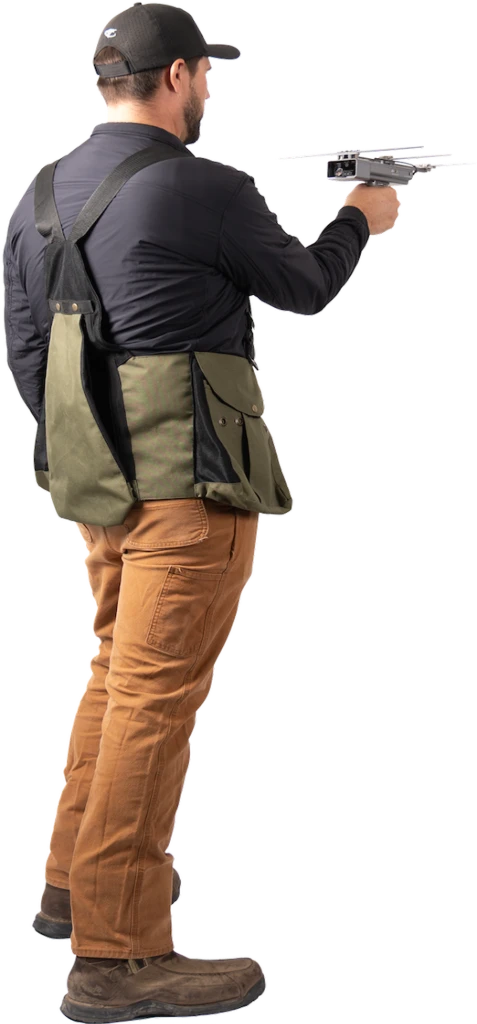
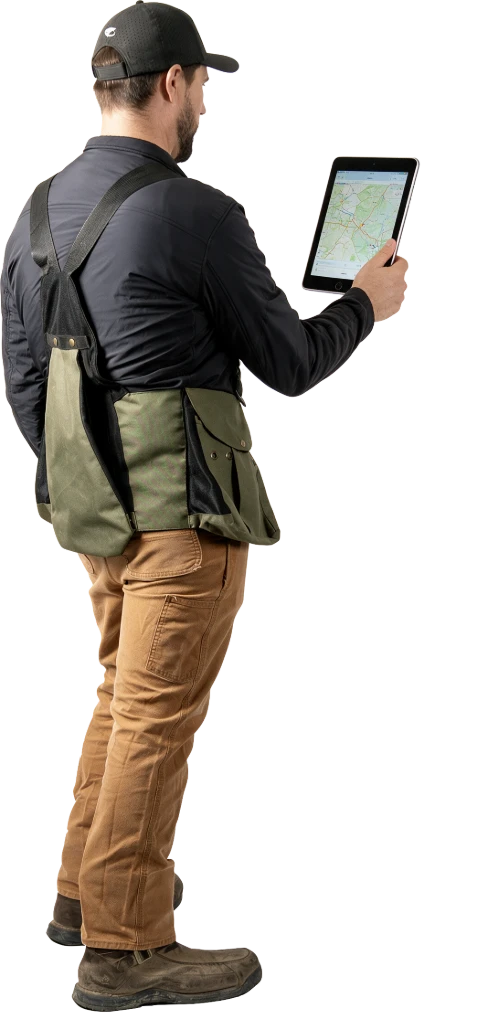
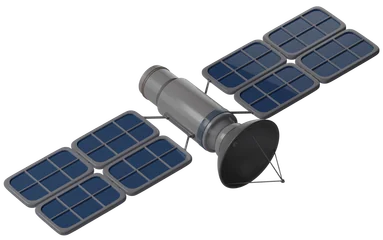
 You + Field MarshallYou + PocketLinkBird
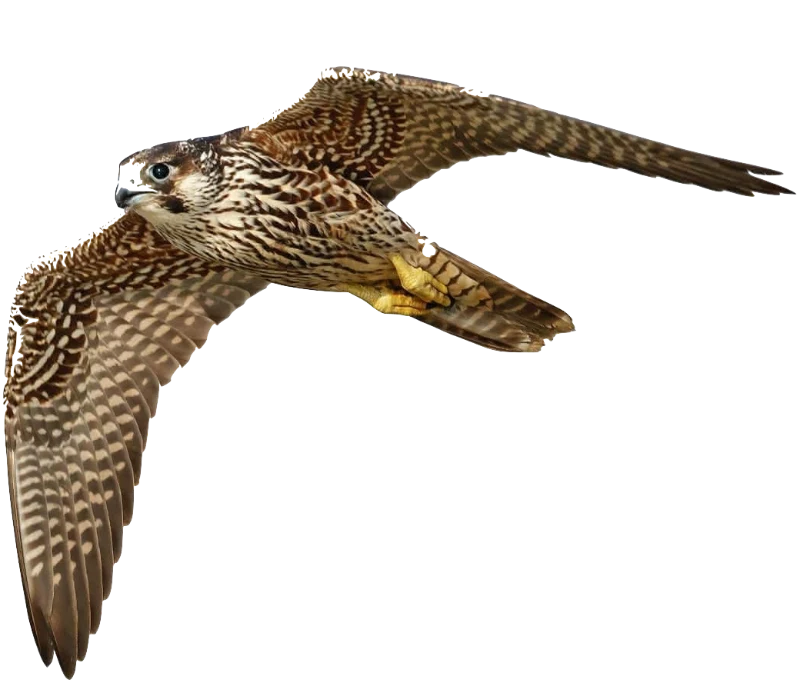

Open terrain high
With nothing between you and the bird, UHF travels essentially line-of-sight. This is where the quoted maximums are achieved — up to 200 miles of beeping RF and 100 miles of Turbo GPS data.
Open terrain low
As the bird drops toward the ground, both links shorten: the GPS data path weakens first as the horizon closes in, while the RF beep keeps giving you a bearing.
Forested / cover
Foliage and wet canopy absorb UHF energy, so expect ranges toward the lower end of the window. The traditional beep stays readable long after the data link drops — that's why both are on board.
Hilly / ridge
UHF is line-of-sight: a ridge between you and the bird can block the signal entirely. Move to high ground, or wait — the moment your bird climbs above the terrain, the beep returns first.
Turbo RF tracking
Active200mi**miof 5–200 mi**
Field Marshall UHF Direction Finding Receiver
Live GPS data
Active100mi*miof 2–100 mi*
Position + altitude in the AeroVision app
* Distances quoted using the optional High Gain Omni antenna; varies with terrain, the bird's height above ground, and obstacles.
** When tracking the traditional "beeping" telemetry signal with the Field Marshall UHF Direction Finding Receiver.

Remove any dirt, debris, or buildup accumulated from the previous hawking season before packing your gear away.
Store all equipment in a cool, dry area where it remains safe from dust, dirt, and grime accumulation.
Take out batteries before storage, lightly clean the contacts using rubbing alcohol on a cotton swab, and wipe down the exterior with a damp cloth.
Inspect antennas carefully and replace any unit that is kinked, damaged, or exposing internal metal filaments.
Store batteries in a cool, dry place—using vapor-proof containers in humid areas—and isolate them so they cannot touch, short-circuit, or overheat.
Charge all rechargeable batteries to 100% prior to long-term offseason storage in addition to keeping them in a cool, dry location.
Ship your equipment within 3–4 weeks of purchasing service; unreceived items without an update will be automatically refunded by week 4, requiring re-payment if sent later.

Looking for products, help choosing gear, or technical support?
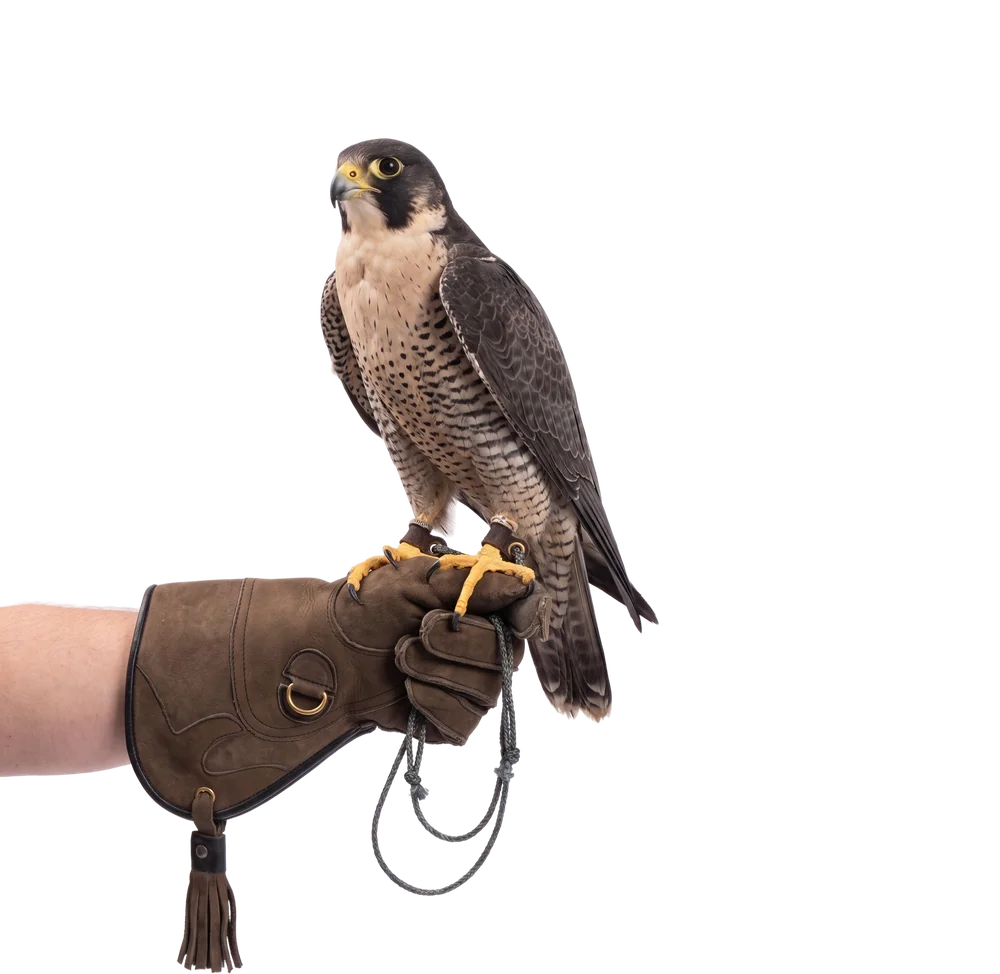

We’ll help narrow down transmitters suitable to your bird’s size.

Looking for products, help choosing gear, or technical support?
Looking for products, help choosing gear, or technical support?
Looking for products, help choosing gear, or technical support?

GPS Pro System
Marshall GPS Turbo System comes with the following items with options to upgrade One GPS Pro…
$2,245

GPS System
Marshall GPS Turbo System comes with the following items with options to upgrade One Turbo-GPS transmitter…
$1,445

GPS Pro Transmitter
The ultimate transmitter for falconry and free flight
$975

Turbo GPS Transmitter
$775

Dog Tracking Collar
A long-range telemetry tracking collar for sporting dogs, machined from a single-piece aircraft aluminum housing. The…
$295

RT XP UHF Transmitter
The RT XP UHF is the most powerful, rugged, and versatile traditional telemetry transmitter from Marshall.…
$395

RT XP VHF Transmitter
The RT XP VHF is Marshall's most rugged and reliable traditional telemetry transmitter, engineered for tail,…
$395

RT Turbo VHF Transmitter
The Turbo delivers the most range of any falconry VHF transmitter, in a precision-machined black nickel…
$475

RT UHF Transmitter
$395

Scout UHF Transmitter
The new Scout was originally intended to be the ideal transmitter option for the Short wing…
$225

Scout VHF Transmitter
The Scout was designed to be the ideal transmitter for the Short wing Hawker, combining range,…
$225

Micro Transmitter UHF
Using the Mag switch to tap on and off for each flight, the Micro might translate…
$345

Micro Transmitter VHF
Using the Mag switch to tap on and off for each flight, the Micro might translate…
$345

Field Marshall Tracking Receiver UHF
For general use, Alkaline AAA batteries are the most cost effective and provide good battery life.…
$995
No products match your search.
Looking for products, help choosing gear, or technical support?
GPS Pro System
Marshall GPS Turbo System comes with the following items with options to upgrade One GPS Pro…
$2,245
GPS System
Marshall GPS Turbo System comes with the following items with options to upgrade One Turbo-GPS transmitter…
$1,445
GPS Pro Transmitter
The ultimate transmitter for falconry and free flight
$975
Turbo GPS Transmitter
$775

Field Marshall Tracking Receiver VHF
$995
Dog Tracking Collar
A long-range telemetry tracking collar for sporting dogs, machined from a single-piece aircraft aluminum housing. The…
$295
RT XP UHF Transmitter
The RT XP UHF is the most powerful, rugged, and versatile traditional telemetry transmitter from Marshall.…
$395
RT XP VHF Transmitter
The RT XP VHF is Marshall's most rugged and reliable traditional telemetry transmitter, engineered for tail,…
$395
RT Turbo VHF Transmitter
The Turbo delivers the most range of any falconry VHF transmitter, in a precision-machined black nickel…
$475

RT VHF Transmitter
A convertible leg- or tail-mount VHF transmitter built for maximum versatility in the field. Switch between…
$295
Scout UHF Transmitter
The new Scout was originally intended to be the ideal transmitter option for the Short wing…
$225
Scout VHF Transmitter
The Scout was designed to be the ideal transmitter for the Short wing Hawker, combining range,…
$225
Micro Transmitter UHF
Using the Mag switch to tap on and off for each flight, the Micro might translate…
$345
Micro Transmitter VHF
Using the Mag switch to tap on and off for each flight, the Micro might translate…
$345
Field Marshall Tracking Receiver UHF
For general use, Alkaline AAA batteries are the most cost effective and provide good battery life.…
$995
No products match your search.
Looking for products, help choosing gear, or technical support?
No FAQs available for the selected products.
Looking for products, help choosing gear, or technical support?
GPS Pro System
Marshall GPS Turbo System comes with the following items with options to upgrade One GPS Pro…
$2,245
No products match your search.


